Eddy Current Testing
Eddy current testing is a non-destructive method used to detect surface and near-surface defects in electrically conductive materials. Based on electromagnetic induction, it enables fast, contactless, and highly precise inspection – ideal for automated inline testing as well as maintenance and laboratory applications.
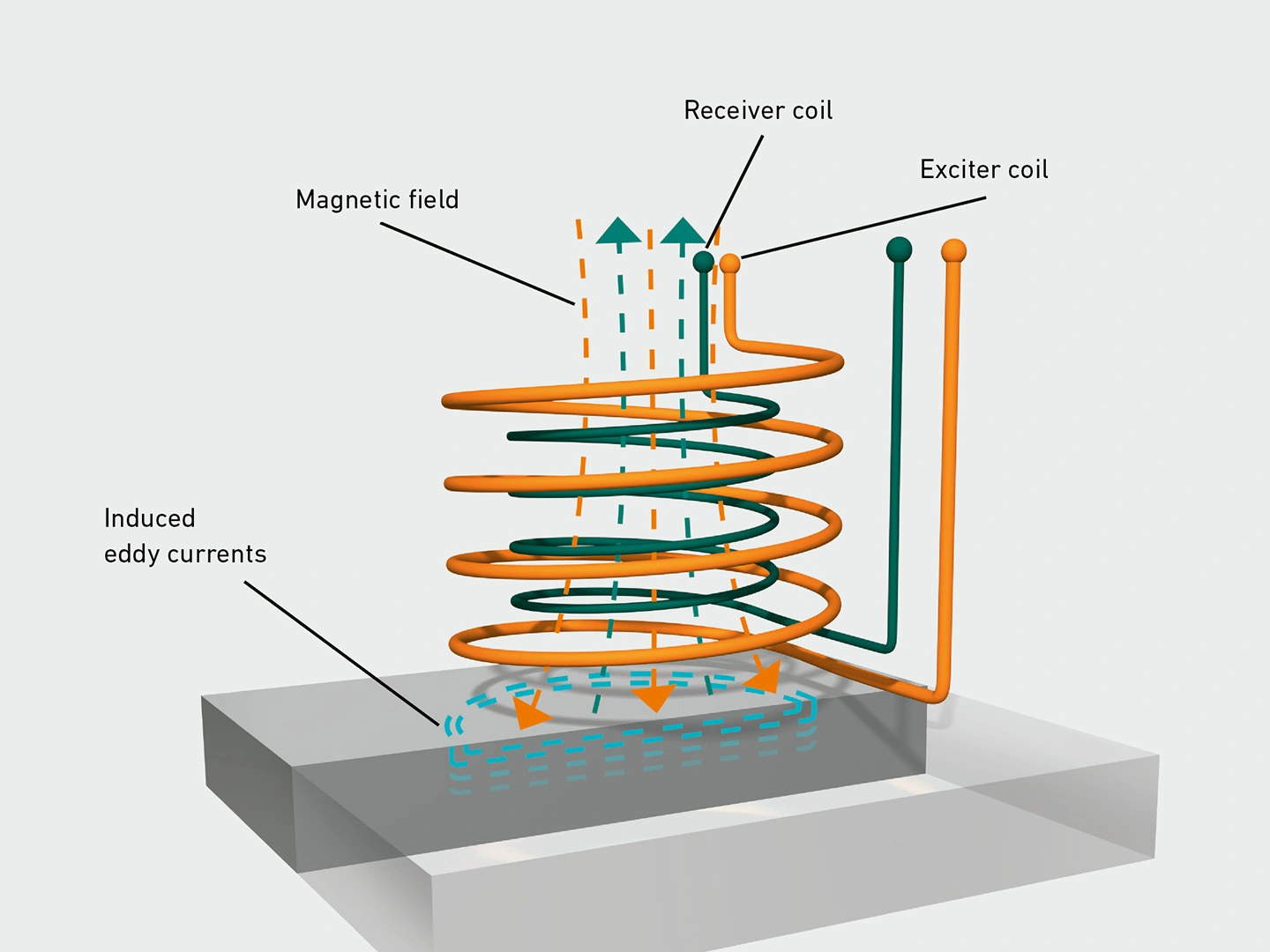
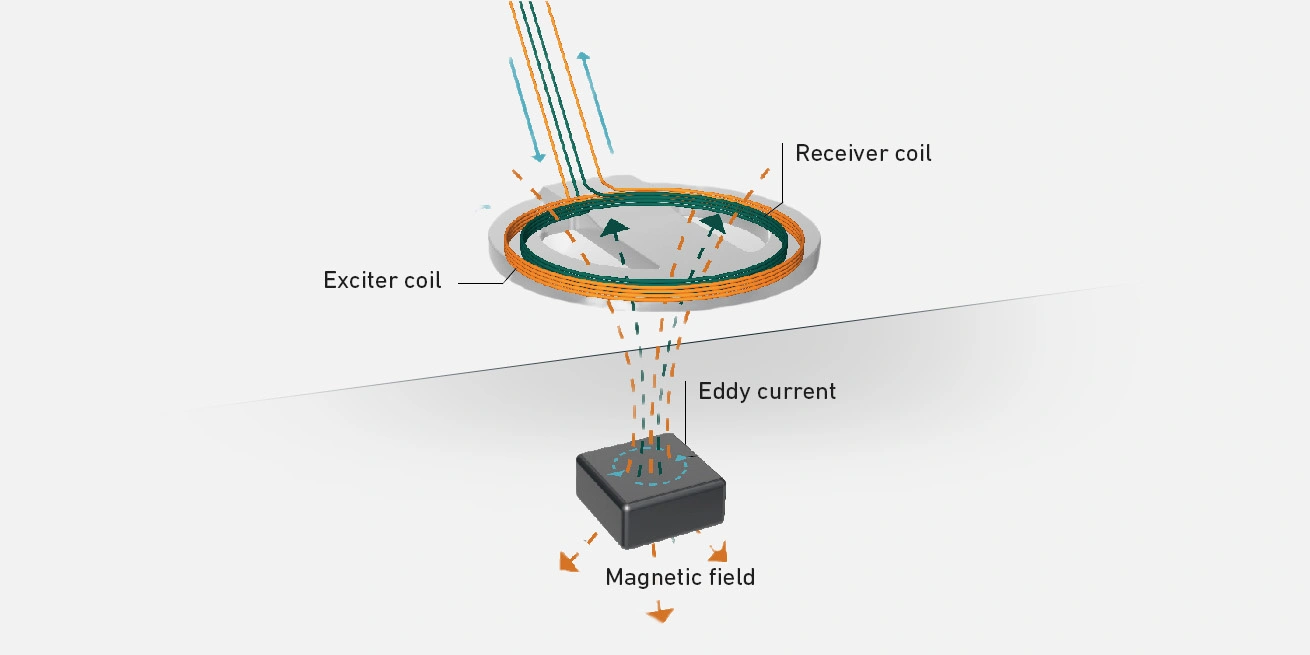
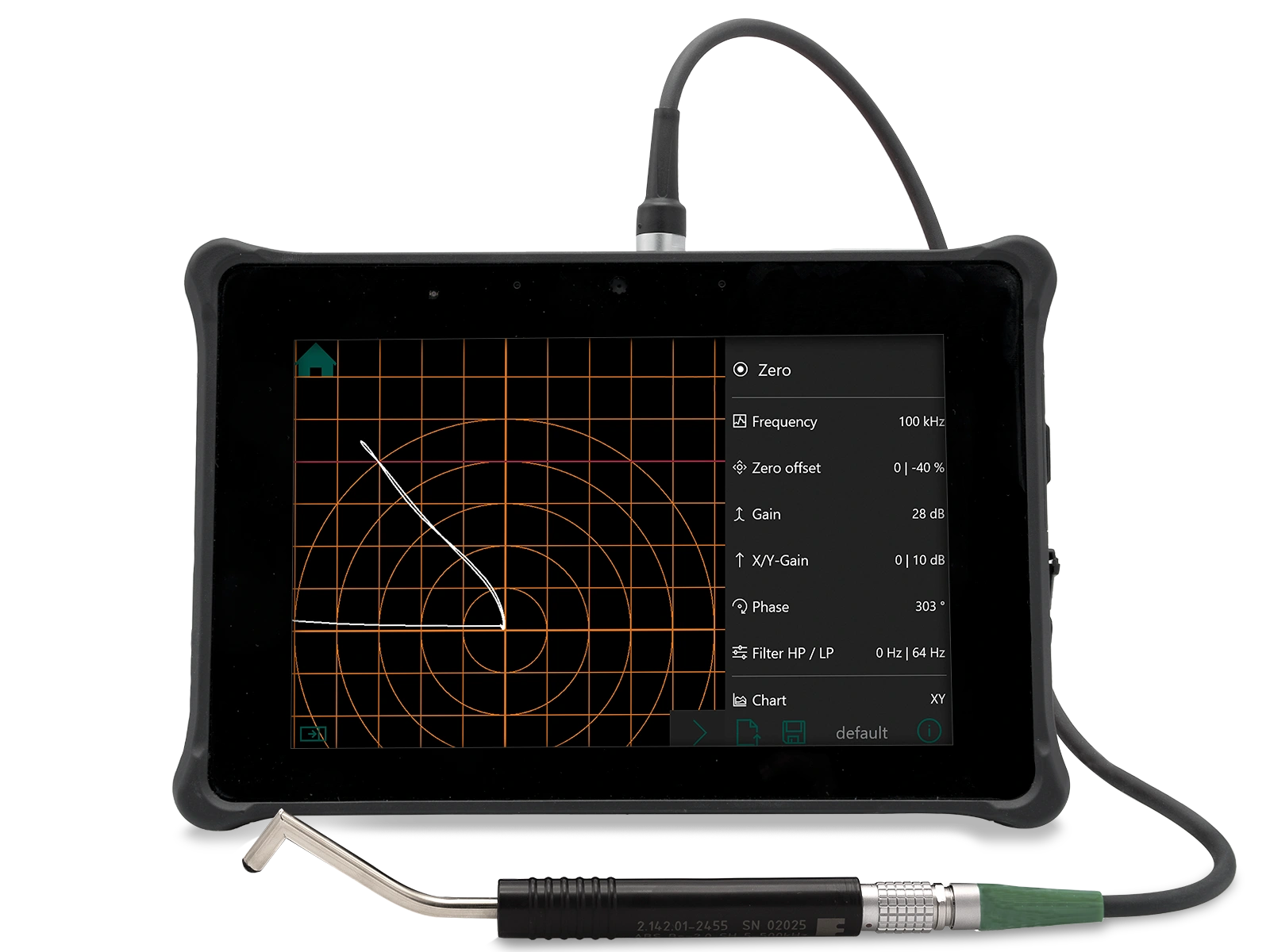
The eddy current method operates on the principle of electromagnetic induction. A probe coil generates an alternating magnetic field that induces circulating eddy currents in the conductive test material. When the current flow encounters discontinuities such as cracks, pores, or inclusions, the resulting change in magnetic coupling alters the coil’s impedance. This deviation is measured, visualized, and evaluated as a defect signal.
Depending on the test frequency and probe design, eddy current testing can detect both fine surface defects and near-surface irregularities with resolutions of up to 30 μm under optimal conditions. Since the method is contactless and requires no coupling medium, it leaves the test surface completely undamaged and contamination-free.
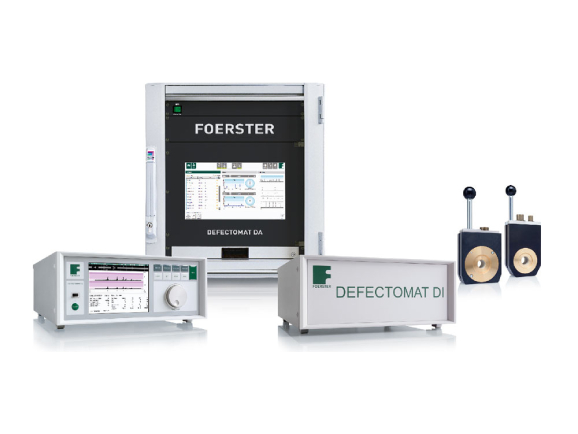
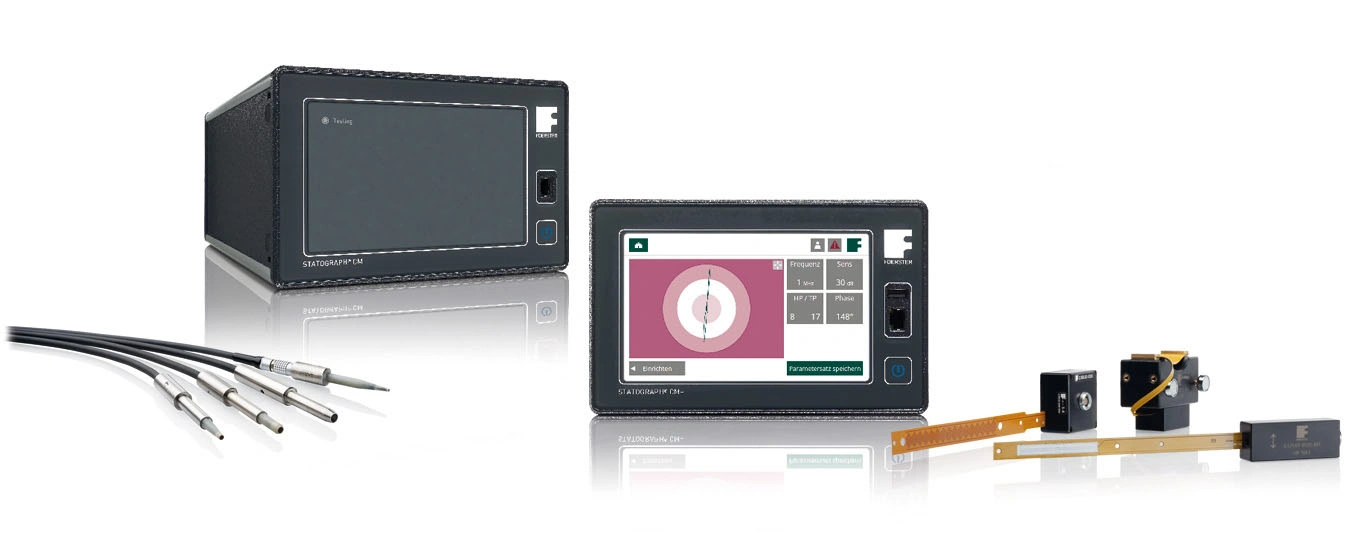
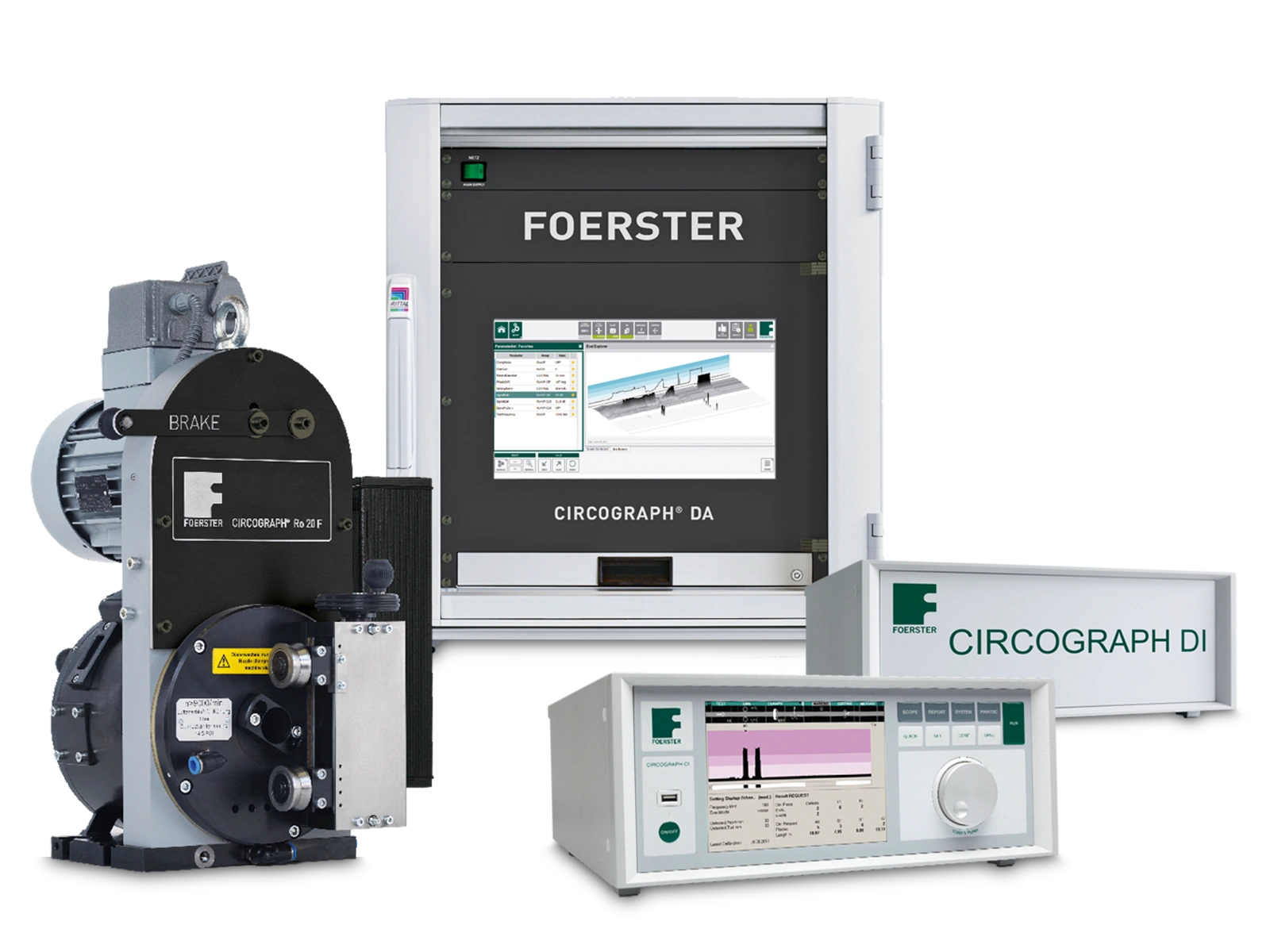
Modern eddy current systems from FOERSTER combine precise sensor technology with intelligent digital signal processing and automation capability. Multi-frequency testing, adaptive filtering, and software-supported evaluation make it possible to detect the smallest defects even in complex geometries or harsh industrial environments. With minimal maintenance, low energy consumption, and complete traceability according to international standards, eddy current testing is one of the most efficient and environmentally friendly non-destructive testing methods worldwide.
Application Examples
Eddy current methods in semi-finished product and component testing
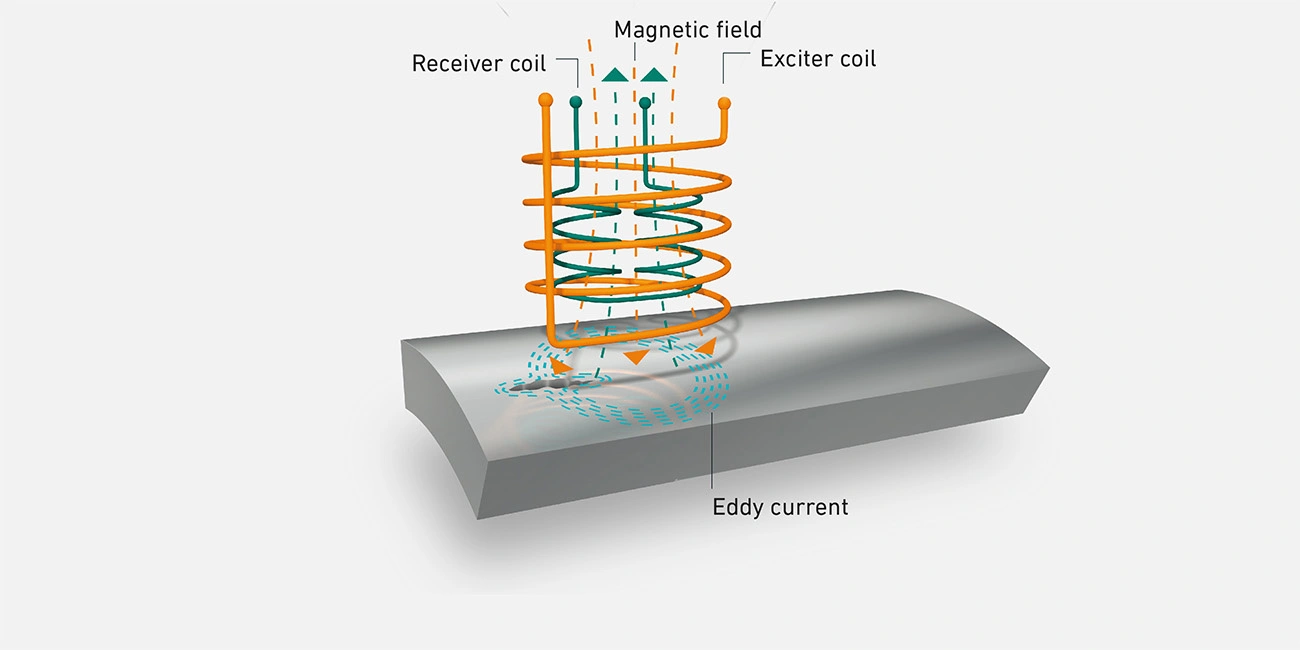
Eddy current testing for semi-finished products and components operates in a frequency range of up to 10 MHz and is used to detect surface and near-surface defects in metals. Differential measurement coils, either as standard or customized sensors, are typically applied to achieve maximum sensitivity and resolution.
Semi-finished products such as wires, rods, and tubes are inspected for transverse and point defects using encircling coils, while rotating probes detect longitudinal surface flaws. Stationary probes can additionally examine critical component areas with high precision. The optimal choice of probe type and frequency depends on the testing task and geometry – allowing reliable, contactless detection of even the finest defects during production or maintenance inspection.
Eddy current methods for metal detection
In metal detection, eddy current technology is used to generate an alternating electromagnetic field with one or more frequencies to locate even the smallest amounts of concealed metal such as steel, aluminum, copper, gold, or silver.
The active sensor emits an electromagnetic field that induces eddy currents in nearby conductive objects. These currents create a secondary magnetic field, which is detected and analyzed by the sensor. This principle enables reliable identification and localization of hidden metallic objects – whether in industrial sorting, safety screening, or geophysical applications.
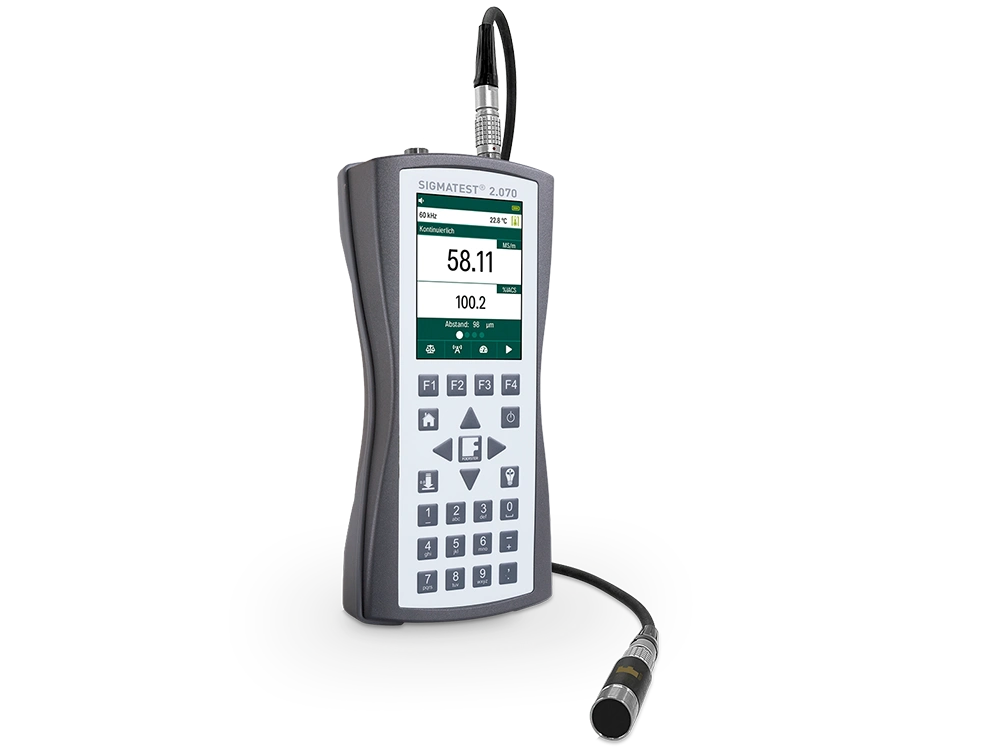
SIGMATEST